Designing a custom Magic card usually starts with the fun part: a creature, spell, character, or mechanic you want to see on cardboard. The harder part is turning that idea into something players can understand quickly and actually enjoy playing.
A strong design does not need five abilities or a wall of rules text. It needs a clear job.
Decide What the Card Is Supposed to Do
Start by describing the card in one sentence. Maybe it is a red creature that rewards attacking, a blue spell that creates a difficult choice, or a Commander that supports an unusual graveyard strategy.
That sentence becomes a useful filter. If an ability does not support the card’s main purpose, consider removing it.
Next, look at existing Magic cards with similar effects. This helps with mana cost, color identity, wording, and expected power. You are not trying to copy them. You are using the existing game as a reference point.
Write Rules Text Like a Magic Card
Custom designs often become confusing because the creator writes what the ability means rather than how Magic normally expresses it. Pay attention to established wording for triggers, targets, counters, zones, and timing.
For example, “when this attacks” and “whenever this creature attacks” may sound similar in casual speech, but templating consistency makes a physical card much easier to interpret.
Keep text short where possible. Tiny rules text is usually a sign that the design is trying to do too much.
Balance Through Play, Not Appearance
A card can look perfectly believable and still create miserable games. Test the mana cost, speed, repeatability, and how easily the effect can be abused. Ask what happens when the card is copied, blinked, reanimated, or paired with common Commander engines.
Printing Custom MTG proxy cards can be useful once the design is stable enough to test physically, because tabletop play exposes problems that are easy to miss in a card editor.
Watch for abilities players repeatedly forget. Notice if the card sits dead in hand or becomes the automatic best play every time it appears.
Prepare the Visual Design
Choose artwork that supports the card’s identity without competing with the frame. Make sure the name, mana cost, type line, rules text, and power and toughness remain readable at normal card size.
Before printing, check bleed, crop, dimensions, and image resolution. A beautiful full screen design can become cramped once reduced to a real Magic sized card.
Conclusion
The most satisfying custom cards are not necessarily the flashiest. They communicate one strong idea, use familiar rules language, fit their colors, and create interesting decisions. Build the concept first, compare it with real cards, simplify the wording, then test it at the table. A design starts feeling like a playable Magic card when players can understand what it does without needing the creator beside them to explain it.
Upgrading a Magic deck becomes expensive very quickly when every recommendation starts with replacing cards with premium alternatives. In practice, a deck rarely needs the most expensive version of every effect. Better results usually come from finding the few places where the current list is actually struggling.
Identify the Real Bottleneck
Play the deck before creating a shopping list. During games, pay attention to why turns feel weak. Are you missing land drops? Running out of cards? Holding removal that is too narrow? Drawing expensive spells before you have enough mana?
These observations tell you more than simply comparing your deck with an optimized list online.
I like to keep a short note after several games. If the same card repeatedly sits in my hand without a useful target, it becomes an obvious candidate for replacement. If a card performs well, there is little reason to replace it simply because a more expensive version exists.
Fix Consistency Before Flashy Cards
Mana and card draw are not always exciting upgrades, but they often improve more games than one expensive finisher. A deck that reliably casts its spells will usually feel better than one with a powerful card it cannot consistently support.
Look at your mana curve as well. Sometimes an upgrade is not about finding a stronger card. Replacing a six mana spell with a useful three mana option can make the entire deck operate more smoothly.
Find Budget Versions of the Same Job
Magic has many cards that perform similar roles at different prices. The cheaper version may have a restriction or cost one additional mana, but that difference may be perfectly acceptable in your playgroup.
This is where affordable MTG proxy cards can also be useful for casual testing if your group allows them. Trying a costly card before purchasing it helps answer a more important question: does this particular deck actually need it?
Change a Few Cards at a Time
Replacing fifteen cards after one bad night makes it difficult to understand what improved the deck. I prefer changing two or three obvious weak points and then playing again.
Watch how often the new cards are useful. Also notice whether removing the old cards created a problem you did not expect. Deck building involves relationships between cards, so an upgrade on paper is not always an upgrade during play.
Set a budget before shopping and spend it where the deck repeatedly struggles. A carefully chosen inexpensive card can solve a real problem better than a premium staple added without a clear reason. Upgrade the deck you actually play, not the theoretical perfect list you feel pressured to build.
Magic: The Gathering is more than just a game; it’s a creative outlet. And MTGProxy and mtg proxies have taken that creativity to a whole new level for me.
I used to think of proxies as just cheap copies of expensive cards. But then I realized they’re so much more than that. They’re a way to express your creativity and add a personal touch to your game.
With MTGProxy, I can create proxies of my favorite characters from books, movies, and video games. I can design my own custom cards with unique abilities and artwork. It’s like having a blank canvas to create my own Magic world.
I’ve even used proxies to alter existing cards. I’ve changed the art, the flavor text, and even the abilities. It’s a way to put my own spin on the game and make it my own.
I remember one time I created a proxy of my favorite historical figure as a planeswalker. It was a fun way to combine my love of history and Magic.
Proxies have also allowed me to explore new formats and game modes. I’ve created custom formats with my friends, where everyone plays with proxies of their own custom cards. It’s been a blast.
I think a lot of people are intimidated by the idea of designing their own cards. But MTGProxy makes it so easy. You don’t have to be an artist or a graphic designer. You can just upload images and text, and the website does the rest.
If you’re looking for a way to unleash your inner designer, I highly recommend giving MTGProxy and proxies a try. You might be surprised at what you can create.
Game nights used to be a bit of a mixed bag. Someone would always show up with a deck they couldn’t fully play because they didn’t have all the cards. Or someone would be hesitant to try a new deck because they didn’t want to invest in expensive cards. It was frustrating. But then I discovered MTGProxy and mtg proxies, and everything changed.
I was looking for a way to make game nights more inclusive and accessible. I wanted everyone to be able to play their dream decks, regardless of their budget. And proxies seemed like the perfect solution.
I started using MTGProxy to make proxies for my friends and myself. The process was simple, and the results were great. We were able to try out new decks and strategies that we never would have been able to afford otherwise.
It wasn’t just about the cost, though. It was also about the creativity. We started experimenting with custom proxies, creating our own versions of cards and even designing entirely new ones. It added a whole new level of fun to our game nights.
I remember one night we had a “theme” game night, where everyone had to build a deck around a specific theme. We used proxies to create cards that fit the theme, and it was a blast.
Proxies have also helped us resolve disputes during game nights. If someone is unsure about a ruling or wants to try a card that’s not in their deck, we can use a proxy to test it out. It keeps the game flowing and prevents arguments.
Honestly, I don’t know how we played without proxies. They’ve made game nights more fun, more inclusive, and more creative. And MTGProxy has made it easy to get high-quality proxies at an affordable price.
So, you’re thinking about buy MTG proxy cards? I was in the same boat not too long ago. I was getting frustrated with the high cost of certain cards, and I wanted to try out new formats without spending a fortune. That’s when I started researching proxies.
I looked at a bunch of different options, but MTGProxy stood out for a few reasons. First, the website was easy to use. Second, the reviews were good. And third, they seemed to have a good reputation for quality.
I was still a bit hesitant, though. I wasn’t sure what the quality would be like, and I didn’t want to get ripped off. But I decided to take a chance and placed an order.
When the proxies arrived, I was pleasantly surprised. They looked and felt pretty good. The printing was clear, and the cards felt sturdy.
What really impressed me, though, was the customer service. I had a question about my order, and they got back to me right away. They were friendly and helpful, which made the whole experience even better.
I’ve used my proxies for everything from casual Commander games to testing out Modern decks. It’s been a game-changer for my playgroup. We can all try out new decks and strategies without worrying about the cost.
I know some people have concerns about the ethics of using proxies. But for me, it’s about enjoying the game. And as long as you’re using them responsibly and with the consent of your playgroup, I don’t see a problem.
If you’re looking for a reliable place to get your proxies, I’d definitely recommend MTGProxy. They’ve made it easy and affordable to enjoy Magic to the fullest.
I’ve been playing Magic for a while now, and honestly, the price of some cards can be a real buzzkill. You see these awesome decks online, and then you look at the price tag, and it’s like, “Nope, not happening.” I love the idea of building new decks, but sometimes, it just feels financially impossible. That’s when I started looking into mtg proxy cards.
I’d heard about them, but I was always a bit wary. I mean, would they look okay? Would they feel right? Would my friends even be cool with it? But then I found MTGProxy, and I decided to give it a shot. I had this crazy Commander deck idea that I really wanted to try, but it was full of expensive cards.
Using MTGProxy was surprisingly easy. I just uploaded the images of the cards I wanted, and they took care of the rest. When they arrived, I was impressed. They looked and felt pretty good. I was still a bit nervous about playing with them, but I figured, what the heck?
The first time I used them was at a casual game night with friends. I explained that they were proxies, and everyone was cool with it. We were more interested in having fun and trying out new decks than worrying about whether the cards were “real.”
And you know what? It was awesome. I got to try out my crazy deck idea, and it actually worked! I learned a lot about the deck and what worked and what didn’t. It was like a test run before committing to buying the actual cards.
Using proxies has really opened up my deck-building possibilities. I can try out new strategies and experiment with different cards without breaking the bank. It’s like having a sandbox for my deck ideas.
Look, I get it. Some people are purists and only want to play with “real” cards. But for me, it’s about having fun and enjoying the game with friends. And proxies have definitely made that easier.
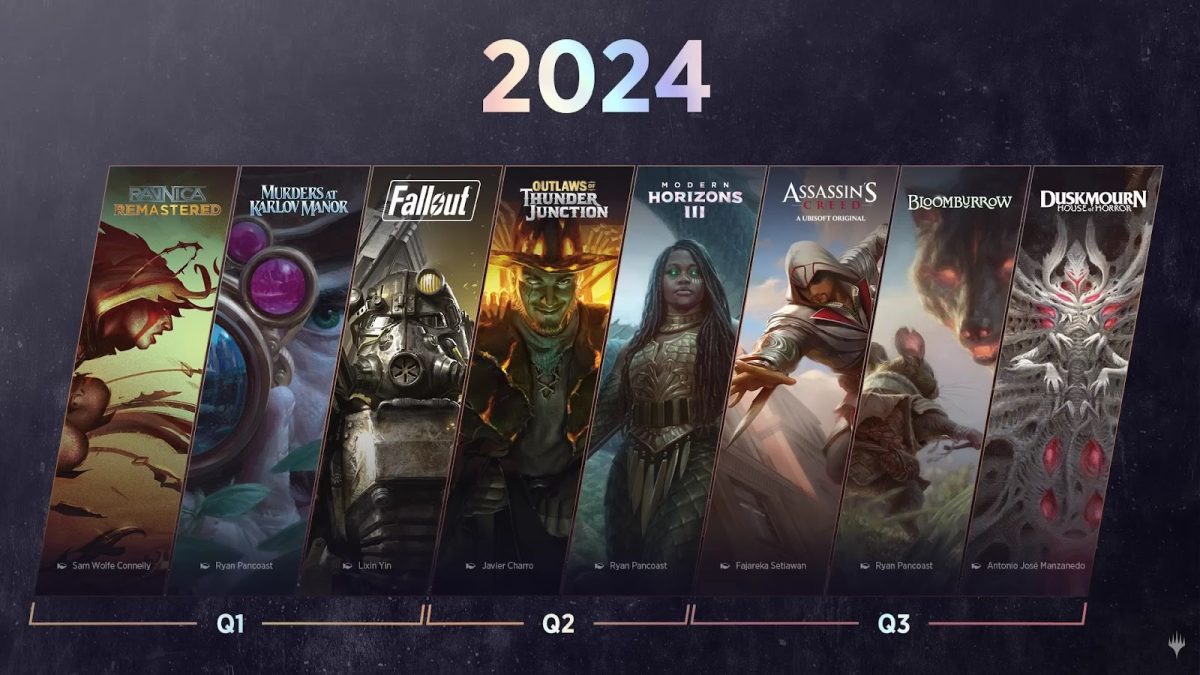
Welcome to your ultimate guide to the Magic. The Gathering (MTG) set a release schedule for 2024! Whether you’re a seasoned planeswalker or a newcomer eager to dive into the rich lore and strategic depth of MTG proxy, staying updated with the latest set releases is crucial.
As you anticipate each set’s new cards and strategies, you might also be exploring the world of MTG proxies. From printing MTG proxies for playtesting to collecting, we’ve covered everything you need to know about the 2024 release schedule. Moreover, we also explore how MTG proxies fit into your gaming experience.
Understanding MTG Proxy
Before we dive into the release schedule, let’s briefly touch upon the concept of MTG proxies.
Proxies are alternative versions of MTG cards. Players use it for various reasons, including playtesting new decks without the need to purchase expensive cards. Additionally, during play, these cards are also used to protect valuable cards.
Whether you’re looking to print MTG proxy cards for personal use or explore the world of MTG proxies more broadly, it’s important to respect the game’s community and legal guidelines.
2024 Set Release Highlights
Magic: The Gathering’s 2024 calendar is packed with exciting releases that promise to enhance your gameplay and deck-building strategies. Here’s what you can look forward to:
Winter 2024: Frostfire Covenant
Kick off the year with Frostfire Covenant, a set that explores the icy landscapes and fiery tempers of a new, mystic plane. Perfect for players who love thematic dichotomies and innovative mechanics.
Spring 2024: Chronicles of Alara
Return to the shattered plane of Alara with Chronicles of Alara. This set is anticipated to bring back beloved mechanics and introduce new ones. This makes it a perfect time for veterans and newcomers to explore MTG proxies for experimental decks.
Summer 2024: The Goblin Games
Get ready for chaos with The Goblin Games. This lighthearted, goblin-themed set promises fun, mayhem, and strategic depth. It’s an excellent opportunity for proxy players to test out unconventional strategies without breaking the bank.
Fall 2024: Eldritch Moon Rising
Conclude the year with the dark and mysterious Eldritch Moon Rising. This set revisits the horror and eldritch themes loved by many. Furthermore, they offer complex mechanics and powerful cards that will be a delight to proxy and play.
Making the Most of MTG Proxies in 2024
With each new set release, exploring MTG proxies becomes even more enticing. It allows you to experience the full breadth of the game’s strategic possibilities without immediate investment in new cards.
Whether you’re playtesting potential additions to your competitive deck or enjoying casual games with friends, MTG proxies can enhance your MTG experience.
FAQs
Can you mix MTG cards?
Yes, you can mix cards. The Gathering (MTG) cards from different sets in most formats, as long as they meet the deck-building rules of the format you are playing.
Which is the 2024 MTG set’s first?
The first Standard MTG set was released in 2024. Murders at Karlov Manor transported players to Ravnica where they had to get ready to find out who had betrayed them.
Which Magic set is the oldest?
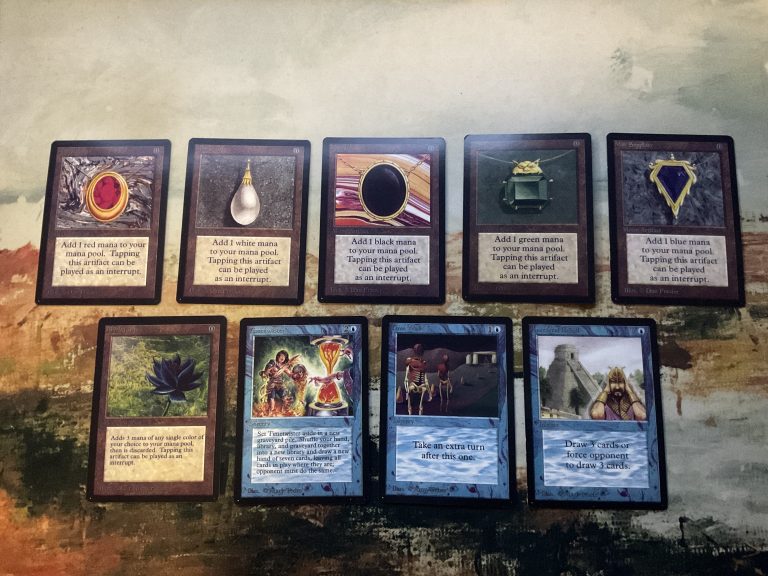
The oldest Magic set is “Alpha,” also known as “Limited Edition Alpha,” released in August 1993.
How many Magic sets a year?
Historically, Wizards of the Coast releases around 4 to 5 standard sets of Magic: The Gathering cards each year, along with various supplemental products and special sets.
Conclusion
The 2024 Magic: The Gathering set release schedule promises a year filled with exciting gameplay, captivating lore, and endless strategic exploration.
By incorporating MTG proxy into your play, you can freely experiment with new sets and cards. This ensures your MTG experience is always fresh and enjoyable.
Remember, whether you’re printing MTG proxy or exploring new decks. The most important part of MTG is the community and the shared love of the game. Happy gaming!
Are you a fan of card games like Magic: The Gathering (MTG) and Pokémon? Great news! MTG Proxy is bringing in cool Print MTG Proxies: Top-Quality Pokémon Collection to enjoy. Just like the MTG copies we make, these Pokémon cards are top-notch and look just like the real thing, but they won’t break the bank.
In the vibrant realm of collectible card games, the allure of Magic: The Gathering (MTG) proxies has captivated enthusiasts worldwide. At MTGProxy, we’re taking this fascination a step further by introducing Print MTG Proxies: Top-Quality Pokémon Collection. Whether you’re looking to print MTG proxies or dive into the Pokémon universe, our offerings are designed to enhance your gaming experience with unparalleled quality and fidelity.
What are Pokémon proxies?
Pokémon proxy cards are top-notch copies of the real Pokémon cards. They let you have fun playing the game without worrying about harming your precious cards. If you’re trying out new game plans, playing friendly games, or just want to keep your favorite cards safe, these proxy cards are perfect for you.
Here are some of our most popular Pokemon Cards:
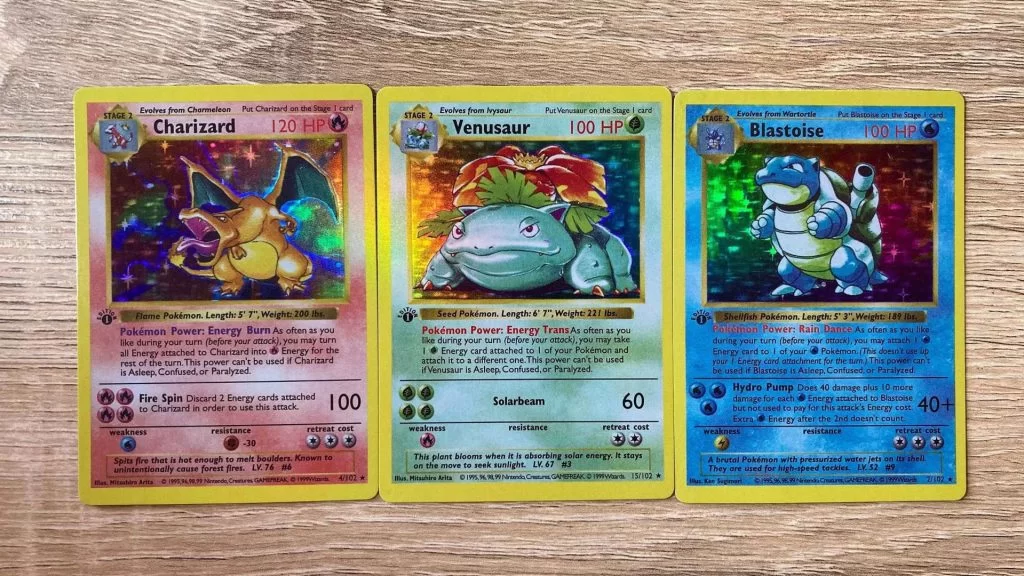
Charizard (Base Set)
Pikachu (Illustrator)
Umbreon Gold Star
Espeon Gold Star
Mewtwo (Base Set)
Rayquaza (Gold Star, Delta Species)
Pikachu (Base Set, Red Cheeks)
Charizard (Shadowless Holo)
Lugia (Neo Genesis)
Shining Charizard (Neo Destiny)
Blastoise (Base Set)
Why Choose ProxyKing for Your Pokémon Proxy Needs?
Unmatched Quality: Each Pokémon proxy we produce is printed with state-of-the-art technology, ensuring crisp, vibrant colors and detailed imagery that rivals the original cards.
Extensive Collection: From classic favorites to the latest releases, our Pokémon proxy collection is expansive and continuously updated. Whether you’re a seasoned collector or new to the scene, you’ll find the perfect additions to your deck or collection.
Affordable Gaming: By choosing MTG proxies and Pokémon proxies from ProxyKing, players can enjoy the thrill of using high-value cards in their decks without the financial burden. Our proxies offer an affordable pathway to a more diverse and competitive gameplay experience.
How to Print MTG Proxy and Pokémon Cards?
Printing MTG proxies and Pokémon proxies has never been easier. Follow these simple steps to bring your desired cards to life:
Visit ProxyKing.biz and navigate to our Pokémon proxy section.
Browse our extensive collection and select the cards you wish to proxy.
Place your order, specifying any customizations you desire.
Receive your high-quality proxies and enjoy an enhanced playing experience.
MTG Proxies: Elevate Your Gameplay
Practice Makes Perfect: Use MTG proxies to practice your strategies and refine your skills. No need to risk your valuable cards during practice sessions.
Customize Your Deck: Experiment with various card combinations and find the perfect synergy. MTG proxies allow you to fine-tune your deck before official tournaments.
Collectors’ Delight: For collectors, MTG proxies are a fantastic way to complete your set without spending a fortune. Fill those gaps in your collection and showcase your love for the game.
Conclusion:
As the world of card games continues to evolve, Proxy King remains at the forefront, offering enthusiasts the opportunity for Print MTG Proxies: Top-Quality Pokémon Collection for Collectors and Gamers options.
By leveraging our expertise in printing MTG proxies, we’re proud to provide a gateway to affordable, high-quality gaming experiences. Whether you’re a collector or a competitive player, our Pokémon proxies are a testament to our commitment to excellence and innovation in the world of card gaming.
MTG proxy Printer: Magic: The Gathering, a game created by Richard Garfield, has become a huge part of the gaming world, with MTG proxy printers allowing players to create custom cards. Garfield’s creation has not only revolutionized the gaming industry but also generated significant revenue for its creator
In this detailed look, we’ll explore how Magic: The Gathering started. The complex rules that made it so popular. Garfield’s MTG Proxy Printer Evolution Explained, his journey as a businessperson, the money he made. How his creations continue to influence gaming. We’ll also talk about MTG proxy Printer and how they’re seen in the Magic: The Gathering community.
Richard Garfield’s net worth:
Richard Garfield, the famous creator of the card game Magic: The Gathering. Which has had a big impact on games and has earned a lot of money. He was born on June 26, 1963, in Philadelphia, Pennsylvania. He loved playing games and solving puzzles when he was young. Playing Dungeons & Dragons got him interested in games and inspired him to become a game designer.
As of 2022, Richard Garfield is estimated to be worth $12 million because of his amazing work in making games. He’s good at using math and coming up with new ideas which made him one of the best game designers. Magic: The Gathering is the game that made him famous and successful.
Crafting Magic: From Dream to Reality
Magic: The Gathering came from Richard Garfield’s brilliant ideas in the early 1990s. It mixed strategy with fantasy in a way that hadn’t been seen before in games.
Garfield’s vision turned into a game that was drawing players in with its creative rules and exciting stories. The game did well at first, which gave Garfield that explore his creative side and the business side of gaming.
Decoding the Mechanics: Garfield’s MTG Proxy Printer
Magic: The Gathering is captivating because of its complex rules. How carefully they’re designed to mix strategy, skill, and luck. Everything from building your deck strategically to the excitement of casting powerful spells. It means to keep players interested and challenged. Richard Garfield, the game’s creator, did an amazing job making these rules. His smart design not only kept the game popular for a long time but also made it very successful financially.
Navigating the Gaming Industry: Garfield’s Business Journey
Garfield’s involvement with Magic: The Gathering goes beyond just designing the game; it also involves smart business decisions. As the game became more and more popular, Garfield handled the challenges of the gaming industry well. He made important partnerships and got deals to use the game’s brand on lots of different products.
By getting the game into digital formats. Allowing its merchandise brand. Garfield made sure Magic: The Gathering reached as many people as possible and made as much money as it could.
Richard Garfield’s Career in Game Design
Richard Garfield’s career in game design took off with the creation of the groundbreaking trading card game, MTG proxy printer Magic: The Gathering.
Released in 1993, this game revolutionized the gaming industry. That laid the foundation for Garfield’s immense success as a game designer.
Building on the triumph of Magic: The Gathering, Garfield continued to innovate and create a range of popular games. Some notable titles in his repertoire include Netrunner, RoboRally, and King of Tokyo.
Each game showcases Garfield’s unique approach to design and his commitment to crafting engaging and immersive gaming experiences.
Not content with creating games alone, Garfield has also ventured into the realm of game design consultancy. His insights have been sought after by industry leaders, further highlighting his significant contributions to the game design community.
Garfield’s Ascension to Gaming Royalty
Apart from the money Garfield made from royalties paid by Wizards of the Coast. His financial success from Magic: The Gathering came in various forms. He made deals to let other companies use the game for digital versions and merchandise.
These deals, along with other business ventures, helped Garfield become one of the richest game designers ever. His ability to come up with great game ideas and make smart business decisions led to him making a lot of money, showing he was great at both being creative and doing business.
Wizards of the Coast’s Stance on MTG Proxy Printer
In the vast expanse of the Magic: The Gathering community, the use of MTG proxies remains a contentious issue. While these alternative cards offer accessibility to players, they also pose challenges to the integrity of the game’s collectible nature.
Wizards of the Coast has taken measures to discourage proxy usage, emphasizing the importance of supporting the official Magic: The Gathering ecosystem while navigating the legal complexities surrounding counterfeit cards.
FAQs:
What is the King of Tokyo?
King of Tokyo is a family-friendly dice game created by Richard Garfield and published in 2011. In this fast-paced game, players take on the roles of giant monsters vying for control over Tokyo.
What is Richard Garfield’s net worth?
Richard Garfield has a net worth of $12 million as of 2022.
What is Richard Garfield famous for?
Richard Garfield is famous for being the game designer behind MTG proxy printer Magic: The Gathering and creating other popular games such as Netrunner, RoboRally, and King of Tokyo.
What is Richard Garfield’s legacy?
Richard Garfield’s legacy is defined by his significant contributions to game design, particularly through Magic: The Gathering, and his lasting influence on the gaming industry.
Conclusion:
Garfield’s MTG Proxy Printer Evolution Explained with Magic: The Gathering is a saga of creativity, commerce, and community that has left an indelible mark on the gaming industry. From the humble beginnings of a visionary dream to the global phenomenon it is today, Magic: The Gathering stands as a testament to Garfield’s ingenuity and entrepreneurial spirit.
Whether exploring the mechanics of the game or navigating the complexities of the gaming industry, enthusiasts are bound to encounter the enduring legacy of Richard Garfield on their quest through the multiverse of tabletop gaming.
Magic: The Gathering Arena (MTG Arena) offers a digital playground for fans of the renowned card game. It’s where strategy, skill, and a bit of luck come together. For newcomers and seasoned players alike, understanding the ranking system is crucial to mastering the game. Additionally, the concept of “MTG proxy cards” can play a surprising role in your journey.
This guide will demystify the ranking system and explore how MTG proxies can indirectly influence your gameplay experience.
What is the MTG Arena Ranking System?
MTG Arena is a competitive ladder system for players of similar skill levels. As you embark on your journey, you might wonder how to navigate this landscape effectively. It is essential to grasp the foundation before diving into strategies and gameplay,
MTG Arena’s ranking system for players ensures fair and challenging gameplay. As you embark on your quest through the ranks, familiarizing yourself with terms like “Bronze,” “Silver,” “Gold,” and beyond is crucial. Each rank not only represents your progress but also unlocks rewards that enhance your playing experience.
How MTG Proxies Can Enhance Your Strategic Play?
Incorporating MTG proxies into your preparation can significantly impact your performance in MTG Arena. By printing MTG proxy cards, players can experiment with various strategies and deck compositions without the immediate need to acquire rare or expensive cards. This approach enables a deeper understanding of game mechanics and meta-game shifts, essential for climbing the ranks.
The Structure of the Ranking System
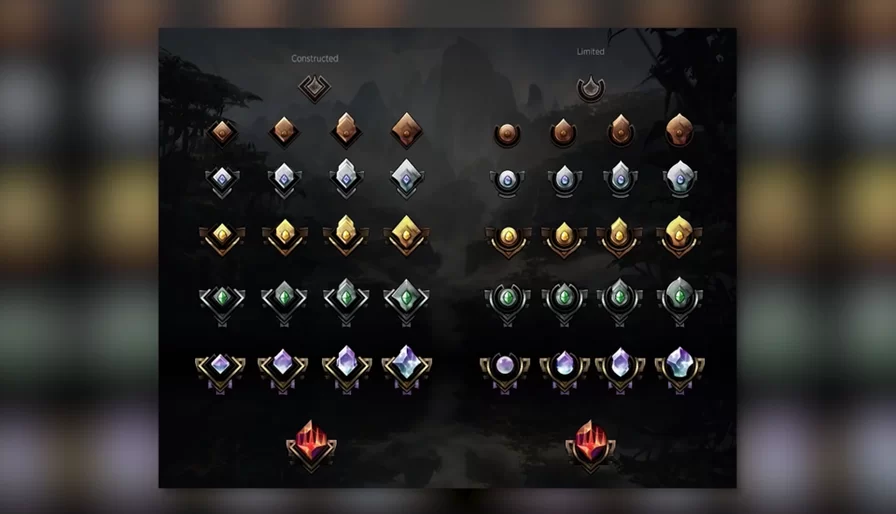
MTGA’s ranking system has six primary ranks: Bronze, Silver, Gold, Platinum, Diamond, and the illustrious Mythic. Each rank, barring Mythic, is further divided into four tiers, with Tier 4 being the entry point and Tier 1 the pinnacle before ascending to the next rank.
Climbing the Ranks
Progression is fundamentally tied to winning matches. Wins propel you forward through the tiers and ranks, with each victory inching you closer to the next milestone.
We tailor progression specifics, like steps gained or lost per win or loss, to your chosen format: Constructed or Limited.
The Mythic Milestone
Reaching Mythic rank is a feat of considerable note, placing you among the top echelon of MTGA players. This rank does away with the tier system, instead adopting a percentage to reflect your standing among fellow Mythic rank holders. Surpassing 100% unveils your exact position within the top 1200 players, a critical metric for those aiming for the top.
Rewards Await
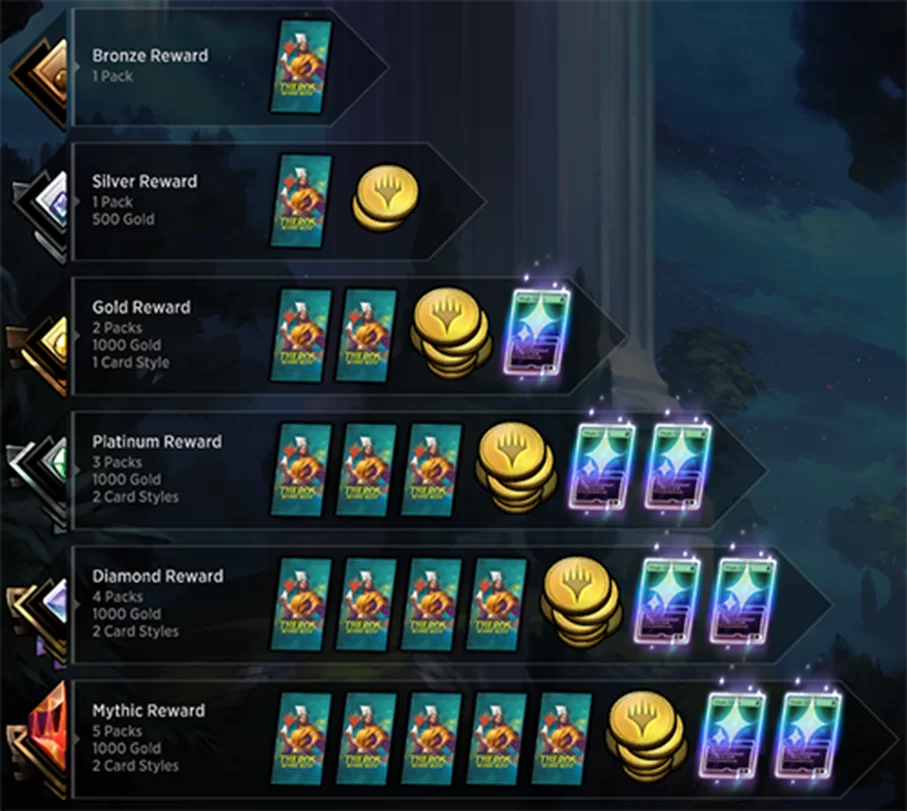
End-of-season rewards sweeten the climb, with each rank offering its own set of rewards, including booster packs, gold, and exclusive card styles. The higher you climb, the richer the rewards. This system incentivizes continuous play and improvement across the game’s monthly seasons.
Strategy for Success
The key to ascending the ranks is not just frequent play but smart play. Adapting strategies, understanding the meta, and learning from losses are pivotal. Additionally, the choice between Standard and Traditional Standard formats can influence the efficiency of your climb, especially as you approach the higher ranks.
Magic Arena’s Ranking System Unveiled
Embarking on a journey through the fantastical world of Magic: The Gathering Arena (MTGA) is akin to delving into a deep, enchanted forest filled with challenges, victories, and the pursuit of mastery. At the heart of this mystical voyage is the ranking system, a meticulously crafted ladder that players climb, battling with wit, strategy, and a dash of luck. Here’s an engaging exploration of the ranks within MTGA and insights into navigating this competitive landscape.
The Magical Hierarchy: Ranks Explained
Bronze to Mythic: MTGA’s pathway to glory comprises six main ranks: Bronze, Silver, Gold, Platinum, Diamond, and the coveted Mythic. Each rank, excluding Mythic, contains four tiers, providing a structured progression from novice to master.
Climbing this ladder is a testament to a player’s evolving skill, strategy, and dedication to the game.
Ascending the Ranks: Victory is Key
The essence of progression lies in triumph. Each match won propels a player forward, potentially inching them closer to the next tier or rank. The climb varies depending on whether one engages in Constructed or Limited formats, with each victory or defeat affecting the journey differently.
The dynamic system ensures that players face opponents of similar skill levels, allowing them to refine their abilities with each duel.
The Apex of Achievement: Mythic Rank
Reaching Mythic rank is akin to attaining legendary status within the MTG Proxy Cards Mastery community. This pinnacle of competitive play dispenses with the tier system, instead using a percentage to gauge a player’s standing among the elite. Breaking past 100% reveals one’s precise rank among the top 1200 players, a goal that many aspire to but few achieve.
The Spoils of War: Rewards Galore
The end of each season brings with it a treasure trove of rewards, with the bounty growing richer the higher one climbs. From booster packs to gold and exclusive card styles, these rewards serve as both a testament to one’s achievements and a beacon motivating further ascent. The system is designed to reward perseverance, strategy, and continuous improvement across the game’s seasons.
Strategies for Success
The key to conquering the MTGA ranks isn’t solely in the number of matches played but in the mastery of the game. Adapting strategies to counter opponents, staying abreast of the ever-evolving meta, and learning from each defeat are essential components of a successful climb. Opting between Standard and Traditional Standard formats can also influence the efficiency of one’s ascent, especially in the higher echelons.
Tips for Climbing the MTG Proxy Cards Magic Arena Ladder
Understand the Meta: Knowing the current meta is crucial. This involves understanding which decks are performing well and how they interact with others.
Deck Experimentation: Use the digital platform to test different decks, similar to how one might use MTG proxies in physical play. This will help you understand a wide range of strategies and matchups.
Learn from Losses: Each loss is an opportunity to learn. Analyze your games to understand.
FAQs:
How do I start climbing the ranks in Magic Arena?
Begin by playing in Ranked mode with a constructed deck. As you win matches, you’ll earn progress towards the next rank. Focus on improving your deck and strategy as you go.
What happens if I lose a match in Ranked play?
Losing a match may result in losing progress within your current rank, but you cannot fall below your current tier (e.g., if you’re Gold Tier 3, you won’t drop to Silver Tier 1 from losses).
How are rewards determined in the ranking system?
Rewards are based on your highest achieved rank during the season. They typically include card packs, individual cards, and gold. The higher your rank, the better the rewards.
Can I lose my rank once I’ve achieved it?
Within a season, you can’t drop from one major rank to another (e.g., from Gold to Silver) due to losses. However, ranks reset at the start of each new season, where you’ll begin slightly below your previous season’s rank.
Conclusion:
Concluding, Ultimate Guide: MTG Proxy Cards Mastery, designed with both novice and seasoned players in mind, operates on a tiered structure that reflects a player’s skill and progress within the game.
This system not only incentivizes gameplay improvement through its tiered ranks and seasonal rewards but also fosters a competitive environment that remains accessible to players of all levels. From Bronze to Mythic, each rank serves as a milestone, marking a player’s journey and achievements in the game.
Whether you’re a newcomer aiming for your first promotion or a veteran striving for the top percentile in Mythic rank, the MTG Proxy Cards Mastery ranking system offers a clear, rewarding path forward. In essence, it demystifies the competitive landscape, making it an integral part of the game’s allure and its community’s ongoing engagement.
 Shop
Shop Custom Gallery
 FAQ
FAQ Proxy Booster
 Discord
 Order Now!